Earthna Prize 2026 (Funding Available)
The Earthna Prize 2026 is now open for applications, offering a major opportunity for organisations, innovators, researchers, and community-led initiatives working at the intersection of sustainability, culture, and indigenous knowledge systems. Designed to recognise transformative projects addressing environmental challenges through traditional wisdom and heritage-based solutions, the Earthna Prize is one of the most exciting global sustainability opportunities currently available.
As climate change, biodiversity loss, water scarcity, and environmental degradation continue to threaten communities worldwide, the Earthna Prize seeks to highlight and support initiatives that combine ancestral knowledge with modern sustainability practices. The programme encourages innovative ideas that preserve cultural heritage while delivering practical environmental and social impact.
If your organisation or initiative is using traditional knowledge to create sustainable solutions for present-day challenges, the Earthna Prize 2026 could provide the recognition, visibility, and financial support needed to scale your impact globally.
Focus Areas of the Earthna Prize 2026
The Earthna Prize supports initiatives that align with sustainability, environmental protection, cultural preservation, and social innovation. Projects are expected to integrate traditional or indigenous knowledge into practical and scalable sustainability solutions.

Some of the key focus areas include:
Environmental Sustainability
Applicants are encouraged to present projects that contribute to environmental conservation and climate resilience. This may include:
- Water conservation initiatives
- Renewable energy solutions
- Sustainable agriculture practices
- Land restoration projects
- Biodiversity conservation
- Circular economy initiatives
Projects that demonstrate measurable environmental impact will be particularly competitive.
Preservation of Traditional Knowledge
The programme strongly values initiatives that preserve indigenous wisdom, local traditions, and ancestral knowledge systems. Traditional ecological knowledge has long played a critical role in helping communities adapt to environmental conditions, especially in vulnerable regions.
Examples may include:
- Indigenous farming methods
- Traditional water management systems
- Heritage architecture for climate adaptation
- Community-led conservation practices
- Cultural preservation initiatives linked to sustainability

Innovation Inspired by Heritage
The Earthna Prize encourages innovative thinking that bridges heritage and modern sustainability solutions. Applicants are expected to show how traditional approaches can inspire scalable and future-focused interventions.
This includes projects that:
- Combine modern technology with indigenous practices
- Adapt traditional methods to current climate realities
- Promote sustainable urban development inspired by heritage
- Use cultural knowledge to strengthen resilience and adaptation
Community-Centred Solutions
Strong emphasis is placed on initiatives that actively involve local communities and create inclusive impact. Projects should demonstrate how communities benefit socially, economically, and environmentally from the proposed solution.
Community ownership, participation, and empowerment are important components of successful applications.
Benefits of the Earthna Prize 2026
One of the major attractions of the programme is its substantial financial support and global visibility.
Successful applicants will benefit from:
- Access to a share of a million-dollar prize pool
- International recognition and visibility
- Opportunities for networking and collaboration
- Increased exposure for sustainability initiatives
- Support for scaling impactful solutions
- Global platform to showcase innovation
Beyond financial support, the prize offers recipients the opportunity to position themselves as leaders in sustainability and cultural innovation.
Eligibility
The Earthna Prize 2026 is open to a wide range of applicants from around the world. Eligible applicants may include:
- Non-profit organisations
- Civil society organisations
- Community-based organisations
- Social enterprises
- Researchers and academics
- Sustainability innovators
- Indigenous groups
- Cultural institutions
- Environmental initiatives
Applicants should be able to demonstrate a clear connection between their work and sustainability outcomes rooted in traditional knowledge or cultural heritage.
Projects at different stages of development may be considered, provided they show strong potential for impact, innovation, and scalability.
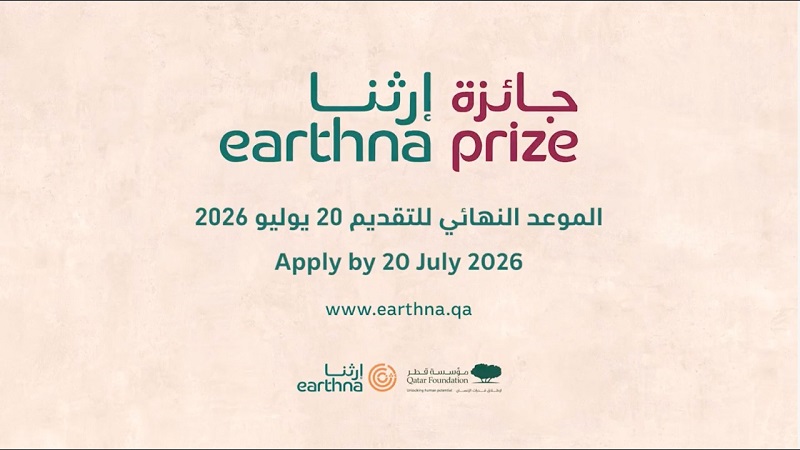
Application Deadline: July 20, 2026
Also Read: Other Opportunities to Apply